North · Far North · Adamawa

Investing in the Septentrion

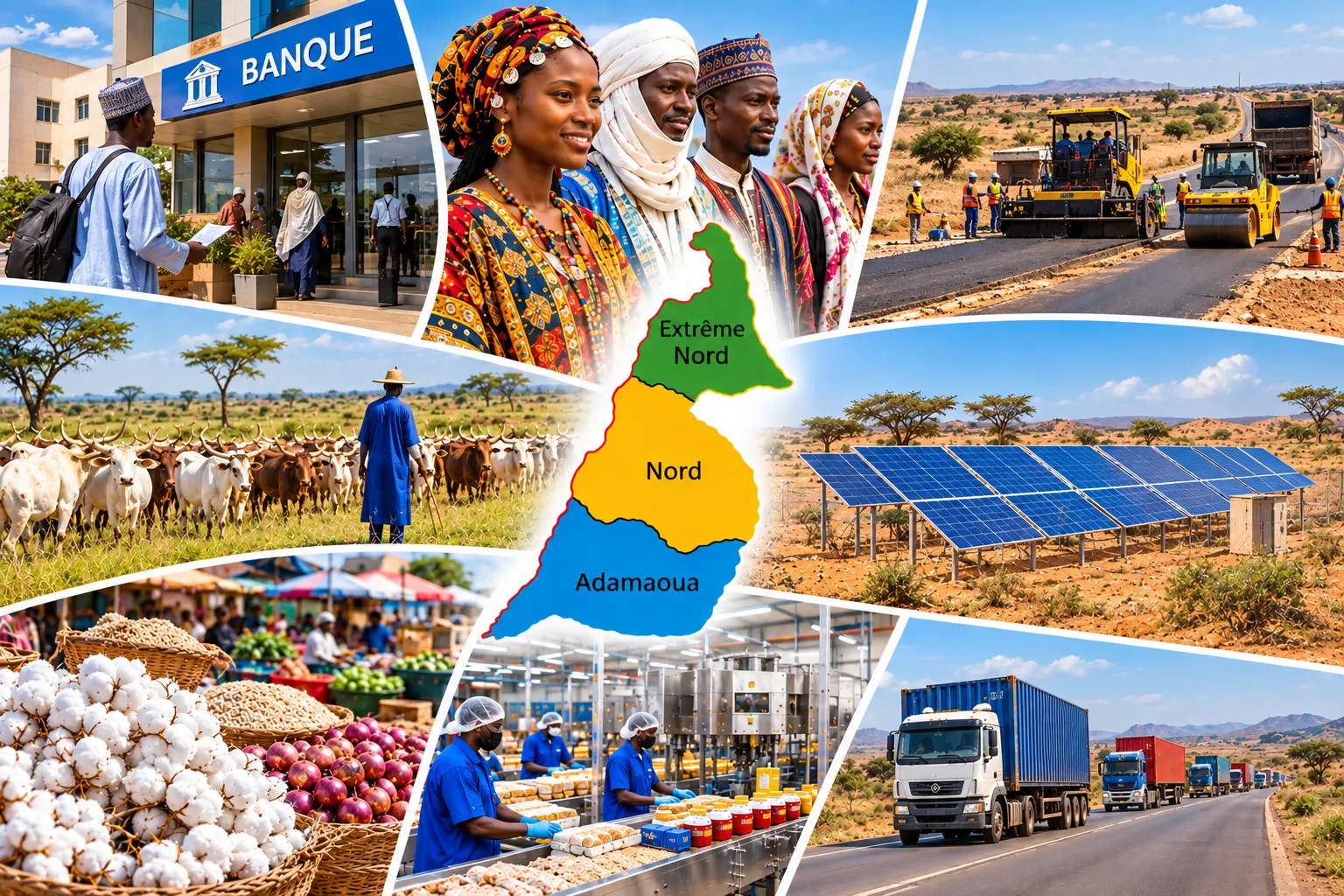
At the crossroads of Sahelian routes and CEMAC markets, northern Cameroon — the Septentrion — brings together fertile plains, cattle-raising plateaux, solar and hydropower resources, national parks and trade corridors to Nigeria, Chad and the Central African Republic.

Three regions, three complementary profiles: explore their strengths, the sectors with documented investment needs and how to present a project at FECIS.

Territories

Three complementary regions

Each profile covers the region’s territory, sectors, energy, infrastructure, tourism and major projects.

Capital : Garoua 66,263 km²

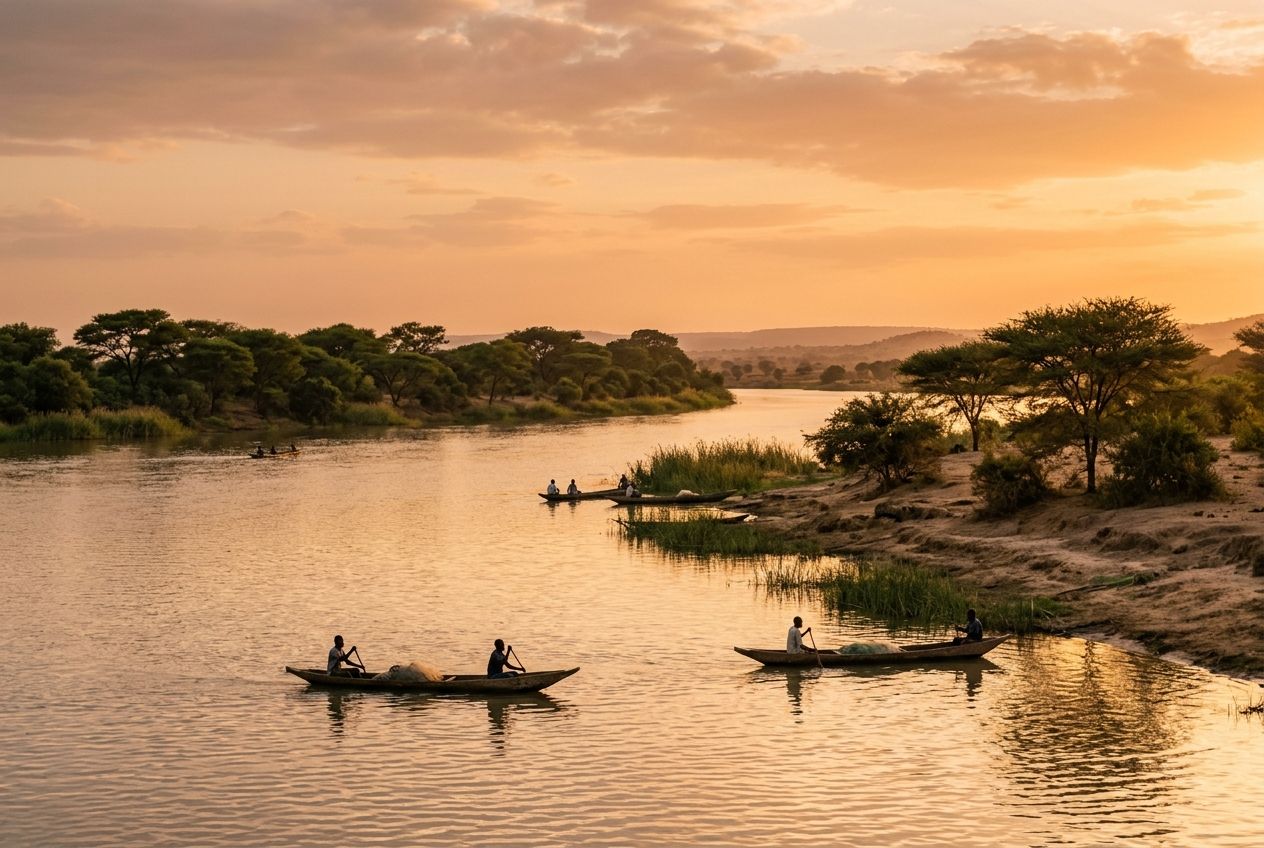
North Region

The agro-industrial and trading hub of the Bénoué basin.

  • A link between Central and West Africa: borders with Nigeria, Chad and the CAR
  • An established food-processing industry: 41% of regional industry
  • Three national parks and 45% of the territory protected
View the regional profile
Capital : Maroua 34,262 km²

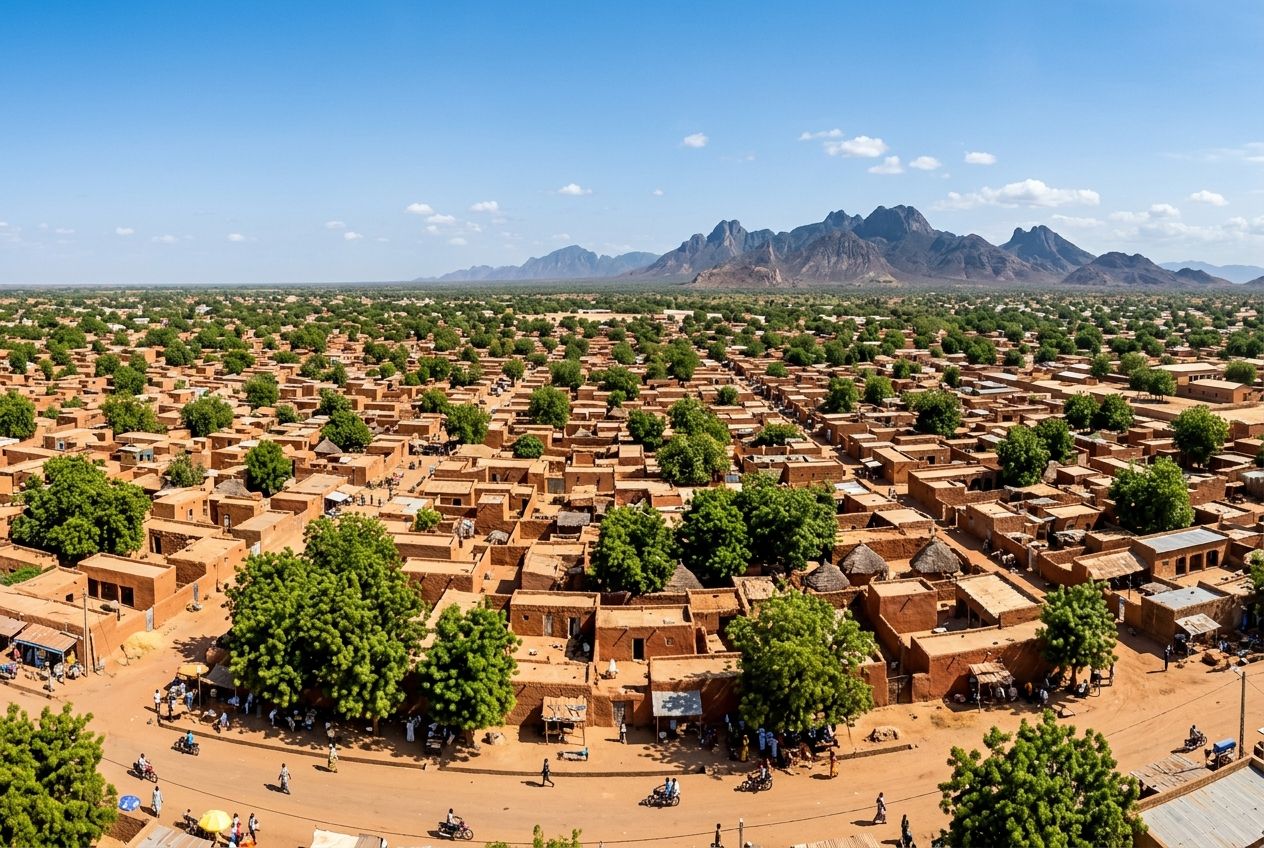
Far North Region

A major population, farming and trading basin on the doorstep of Chad and Nigeria.

  • One of Cameroon’s most densely populated regions: over 115 inhabitants per km²
  • Over 40% of northern Cameroon’s cross-border trade passes through its border markets
  • The country’s highest sunshine: irradiation above 5.8 kWh/m²/day
View the regional profile
Capital : Ngaoundéré 63,701 km²

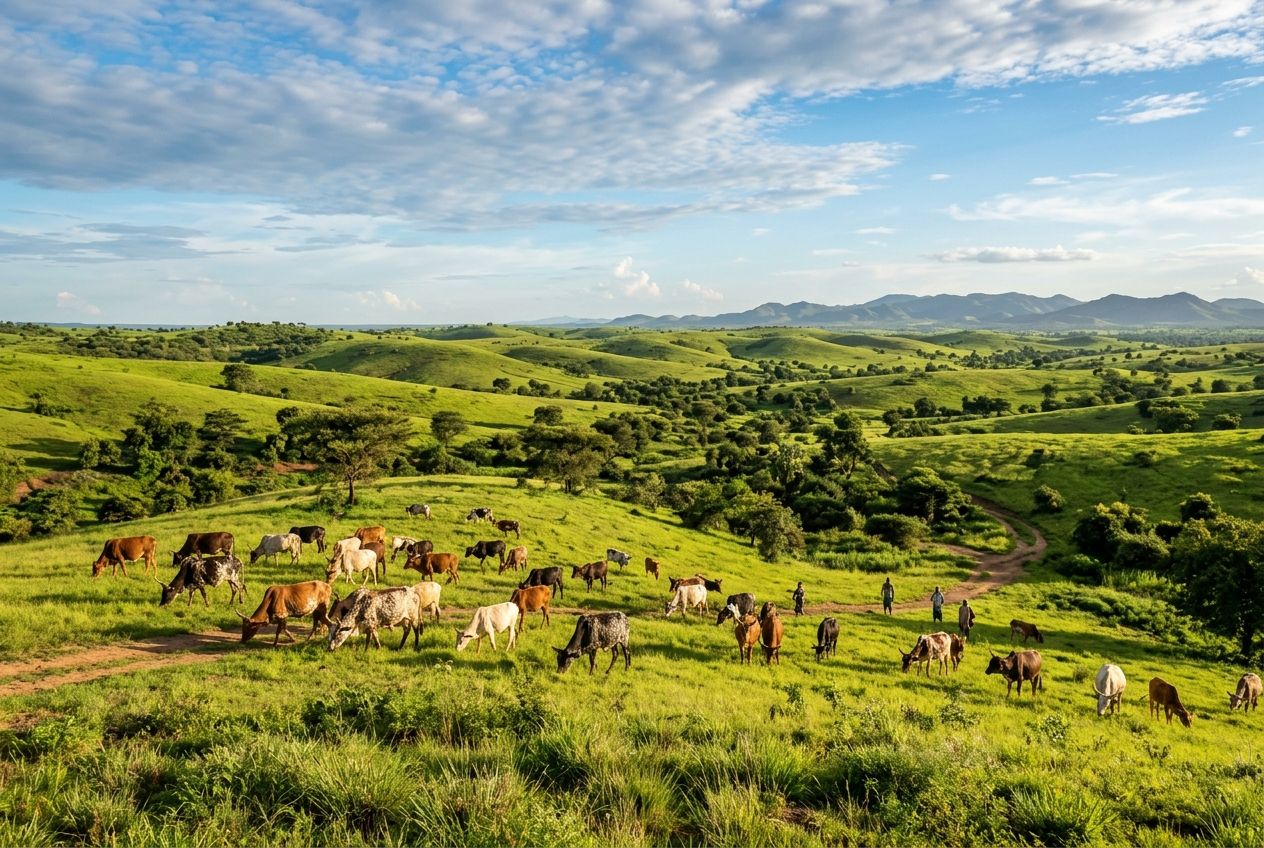
Adamawa Region

Cameroon’s water tower, its leading cattle basin and the end of the railway line.

  • The country’s leading cattle area: over 2.2 million head, 35 to 40% of the national herd
  • Terminus of the Trans-Cameroon railway: transshipment to northern Cameroon, Chad and the CAR
  • Minim-Martap and Ngaoundal bauxite deposits: over one billion tonnes estimated
View the regional profile

Sectors

Which sectors offer opportunities to explore?

The FECIS 2026 themes and regional development plans highlight sectors with documented investment needs. Sector potential still has to be confirmed project by project.

Agriculture and agro-industry

Cotton, maize, rice, groundnuts, onions and cowpeas. In the North, food processing accounts for 41% of industry; the VIVA-Bénoué project and a 120,000 ha irrigation programme across the three regions. Needs: irrigation, mechanisation, seeds, storage, processing and agro-logistics.

Livestock and pastoral value chains

Over 2.2 million cattle in Adamawa (35–40% of the national herd), 1.8–2.1 million in the Far North and over 3.2 million small ruminants. Opportunities: fattening, animal feed, modern abattoirs, meat processing, dairy and poultry.

Energy

Only 16.6% of North region households had electricity in 2017; the Lagdo dam dropped below 20 MW of its 72 MW capacity; solar irradiation exceeds 5.8 kWh/m²/day in the Far North. Avenues: solar PV, mini-grids, rural electrification and power for agro-industrial units.

Mining

The Minim-Martap and Ngaoundal bauxite deposits (Adamawa), over one billion tonnes estimated with high alumina content, with a planned rail link of about 130 km.

Infrastructure, transport and logistics

Trans-Cameroon railway terminus in Ngaoundéré, Garoua international airport (capacity of 1.5 million passengers a year for about 100,000 served), a seasonal river port, corridors to Chad, Nigeria and the CAR, the Yagoua–Bongor bridge and dry ports in Kousséri.

Tourism

Bénoué, Faro, Bouba Ndjidda and Waza national parks, the Mandara mountains and Rhumsiki, traditional palaces and archaeological sites; 123 licensed accommodation providers in the North region alone.

Digital and financial inclusion

Fibre and broadband, telemedicine, e-learning and digital financial services for a population that is still poorly connected.

Water, sanitation and human capital

Priority themes of FECIS 2026, alongside youth and women’s employment.

Figures from the “Investment assets and opportunities in the Septentrion 2026” study, which cites the regional development plans. They are indicative and do not constitute a validated opportunity.
Investor guide

Presenting a local-authority or private project

FECIS brings projects and financiers together; it does not provide funding or administrative approval. Here is how to prepare, whether you lead a project or are looking to invest.

  1. 1. Prepare a short project file

    Need and location, business model, amount sought, timeline, stage (idea, study, ready for financing) and expected impact on jobs and living conditions.

  2. 2. Contact the Secretariat

    Write to us choosing “Presenting an investment project”. The scientific and selection committee reviews proposals and tells you the next step.

  3. 3. Maturation

    Pre-selected projects may receive technical, financial and legal support, as well as access to the Project Clinic during the forum.

  4. 4. Project exchange

    Presentation to investors, B2B and B2G meetings, negotiations and, where relevant, signing of letters of intent.

  5. 5. Follow-up after the forum

    Support for selected projects, facilitation of negotiations and tracking of commitments over six to twelve months.